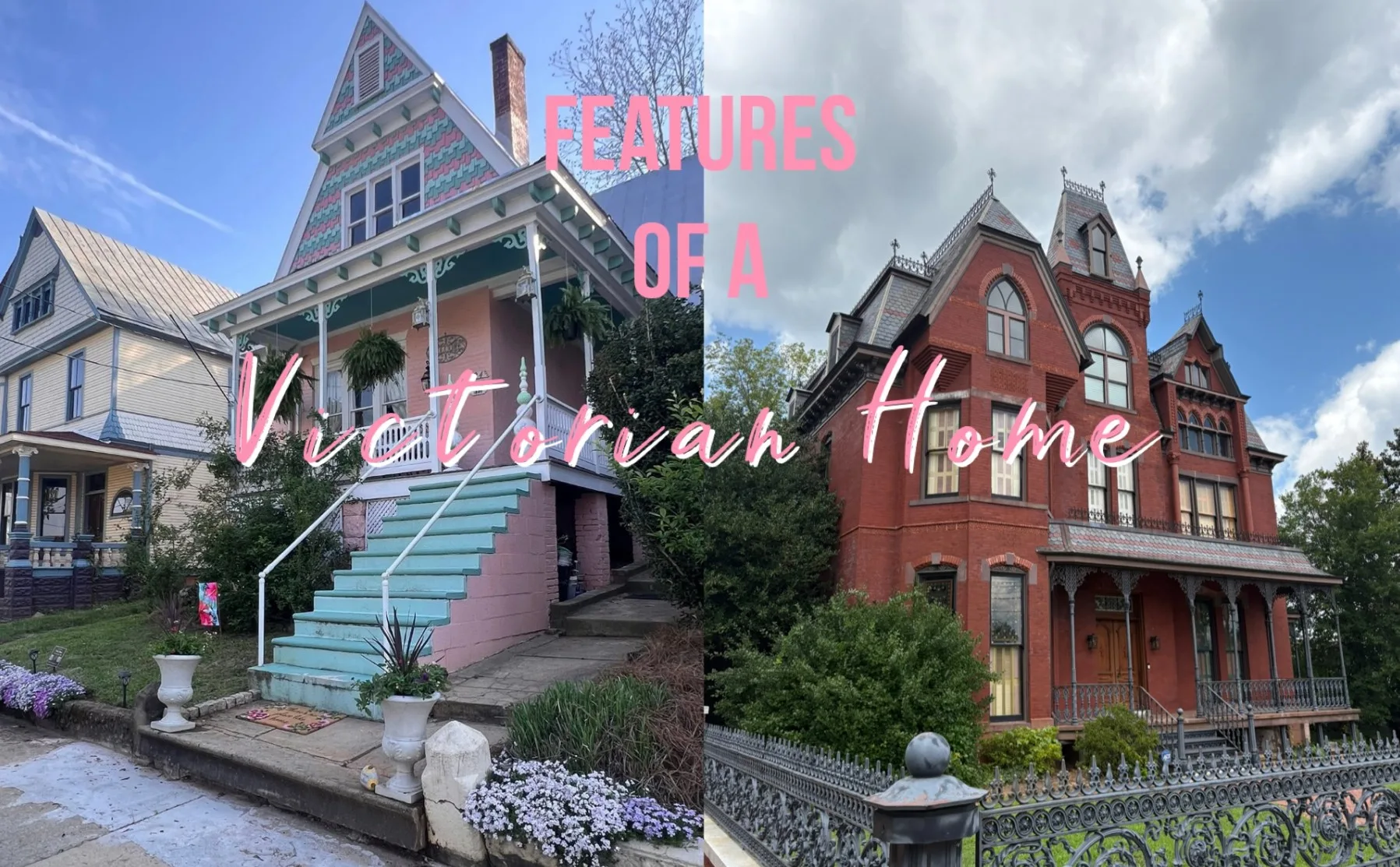
There’s just something about a Victorian home that stops you in your tracks. Maybe it’s the large porches set for hosting, or maybe the gingerbread trim, or even the stained glass windows. Here at Old House Life, we know a special kind of magic lives in the details of old homes–and Victorians are bursting with them!
Built during Queen Victoria’s reign (1837-1901), these homes came about during a time of innovation, optimism, and artistic expression. No two are exactly alike and that’s what makes them stand out. Some have turrets that look like they belong in a fairytale. Others are covered in ornate woodwork and shingles so intricate that they almost give a hand-stitched look. When it came to Victorian architecture, playing it safe wasn’t really an option. You had to show off your style and craftsmanship, along with a little flair.
In this article, we’re highlighting the features that make Victorian homes unforgettable. Maybe you live in one, are restoring one, or even love admiring them from the sidewalk…these homes have a way of sticking with you! Read along while we dive into common styles and features of these magnificent works:
Asymmetry is Key
Unlike earlier homes that were all about symmetry and balance, Victorian houses embraced the unexpected. Oftentimes, you’ll find offset front doors, towers on one side, and windows placed wherever they felt right. That resulted in a home that felt dynamic, creative, and full of character.
Turrets, Towers, and Gables
Have you ever seen a house with a cone-shaped tower sticking out like something from a fairytale? That’s a turret, and it’s one of the most noticeable and identifying Victorian features. These architectural flourishes add height, drama, and a touch of grandeur. Gables–especially front-facing ones, give the roofline an extra pop and are often decorated with ornate woodwork.
Gingerbread Trim and Ornamental Details
Victorian homes are known for their “gingerbread”–that delicate, lacy woodwork along the eaves, porches, and gables. It was all hand-carved back then and every little piece tells a story. You might also spot spindlework, sunburst motifs, and brackets under the roofline…all those tiny touches that make a huge impact.
Colorful Exteriors
Beige be gone! Victorian homes were painted to stand out! Earthy greens, bold reds, buttery yellows, and deep blues were all popular and often used in combination. This is where the name “painted ladies” comes from! They wore their color like jewelry, highlighting every nook, curve, and trim piece.
Stained Glass and Bay Windows
Stained or leaded glass windows were the jewels of Victorian homes. Whether it’s a small panel above the front door or a full bay window glowing with color, these pieces were both decorative and symbolic of status. Bay windows let in more light and expand the view! Plus, they really add to the charm. We often imagine reading books and sipping a cup of hot coffee while gazing out!
Porches
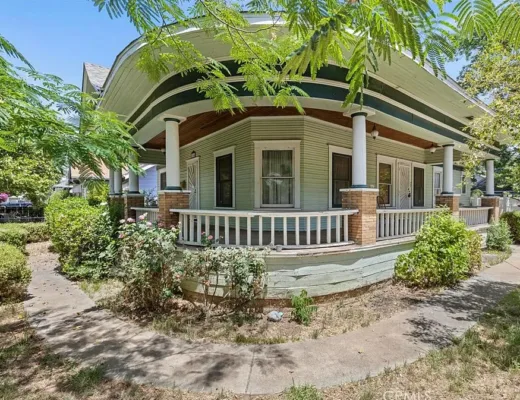
One of our favorite features when it comes to any old home, the big porches, which are set for an inviting atmosphere! They’re made for sipping tea, taking mid-day naps, waving at the neighbors, and watching the world go by. Victorian homes typically had larger wrap-around porches!
Within the Victorian era, there were several distinct styles, each bringing its own flair to the architectural table. We’ll give you a brief rundown of most of the common styles. Also, we’ll give you a peek at some of the Victorian homes in Danville, VA and even show you some homes that have been featured here on Old House Life.
Queen Anne (1876-1910s)
The showstopper of Victorian style, Queen Anne homes are known for their turrets, wraparound porches, spindlework, and colorful surfaces. Basically, a dollhouse brought to life!
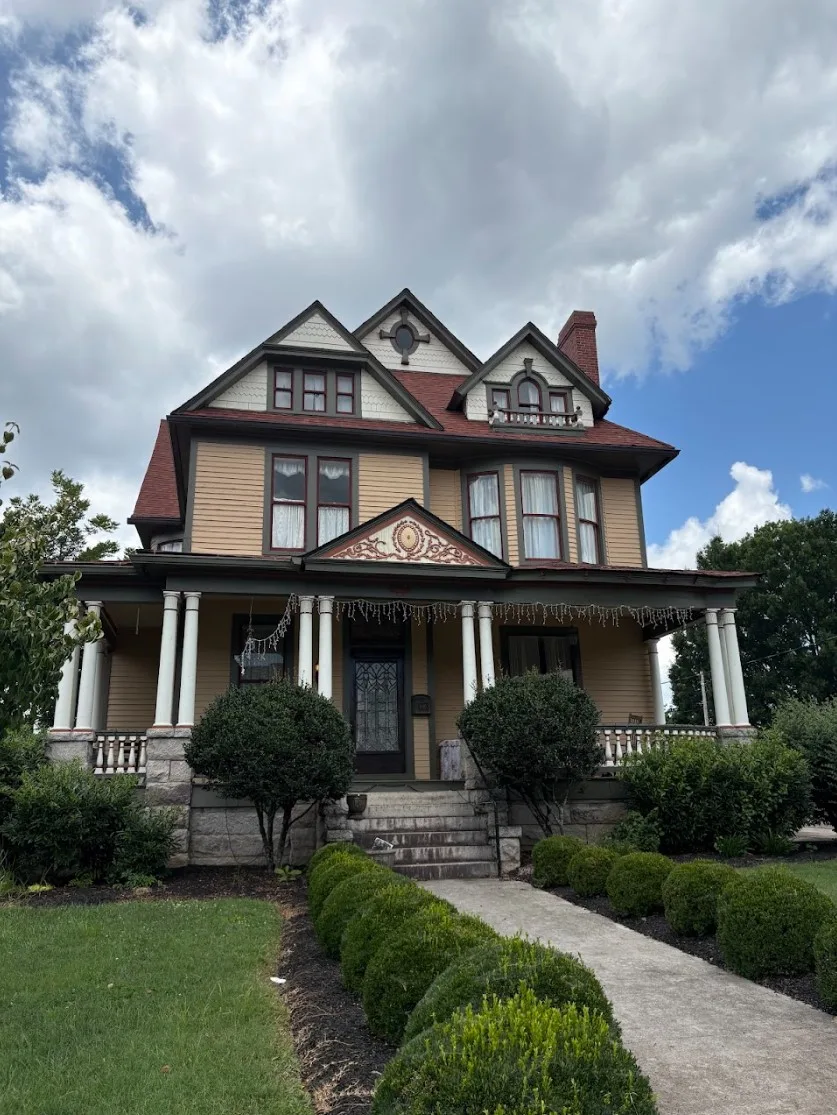
E. G. Moseley House, Circa 1902 in VA

R.B. Graham House, Circa 1885 in VA
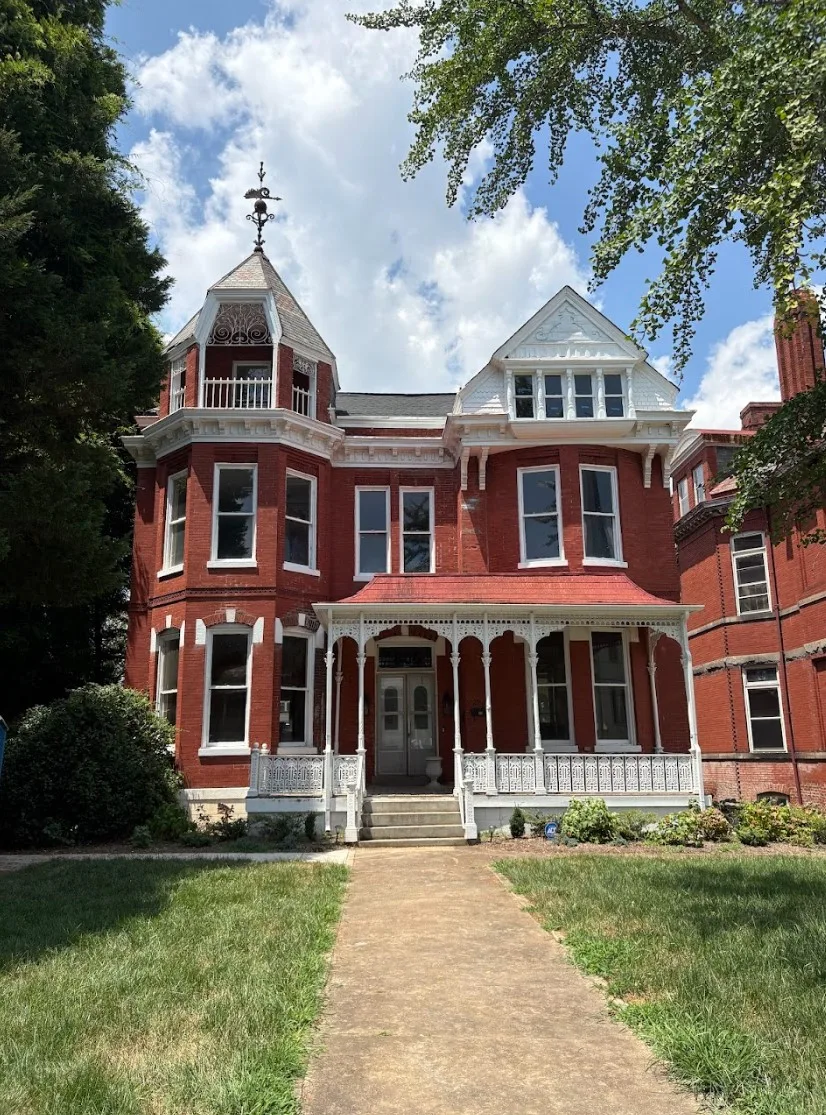
Crews House, Circa 1890 in VA
Gothic Revival (1835-1880s)
With steep gables, pointed arches, and ornate vergeboards, Gothic Revival homes have a romantic, almost church-like feel. They’re full of mystery and drama.
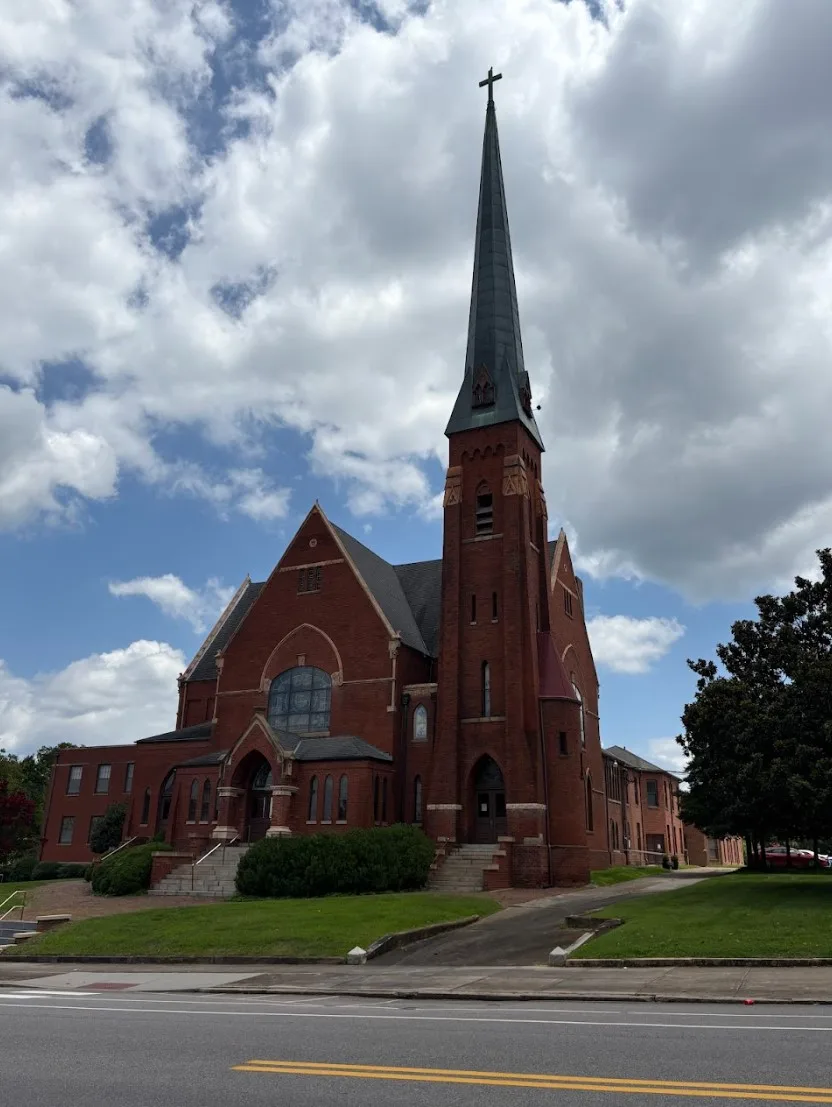
First Baptist Church, Circa 1882
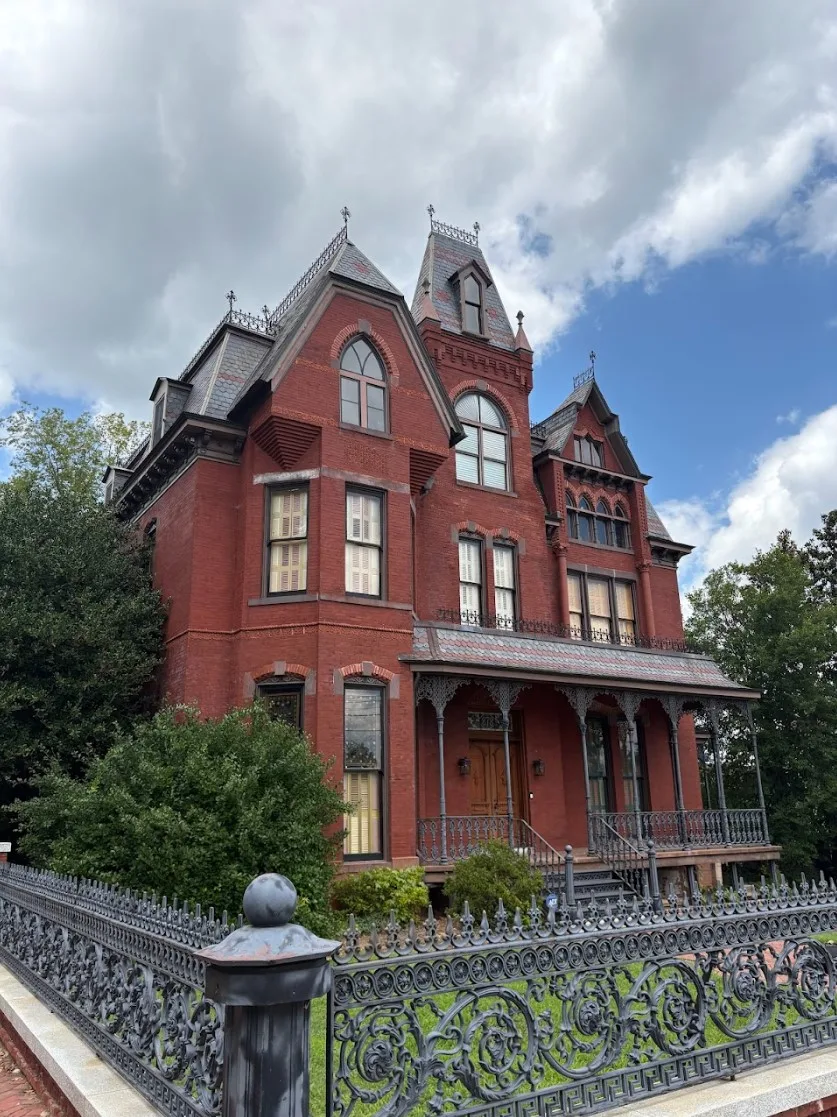
Sublett-Miller House, Circa 1876 in VA
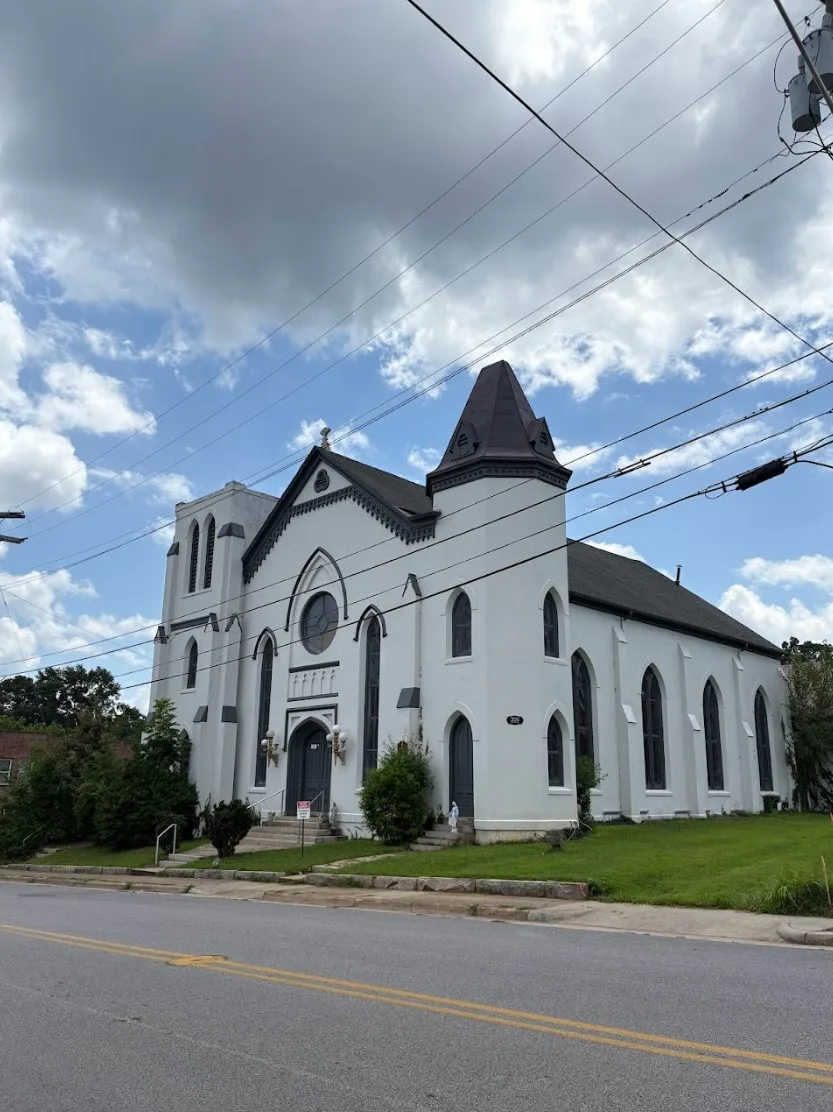
Church of the Perpetual Boogie, Circa 1870s in VA
Want to see the interior of the Sublett-Miller House? Click here!
Italianate (1840-1885)
Tall, narrow, and elegant are three words to describe Italianate homes. They often feature low-pitched roofs. wide eaves with decorative brackets, and arched windows. These homes were inspired by Italian Villas!
Want to read up more on the features of Italianate homes? Check out our article by clicking here!
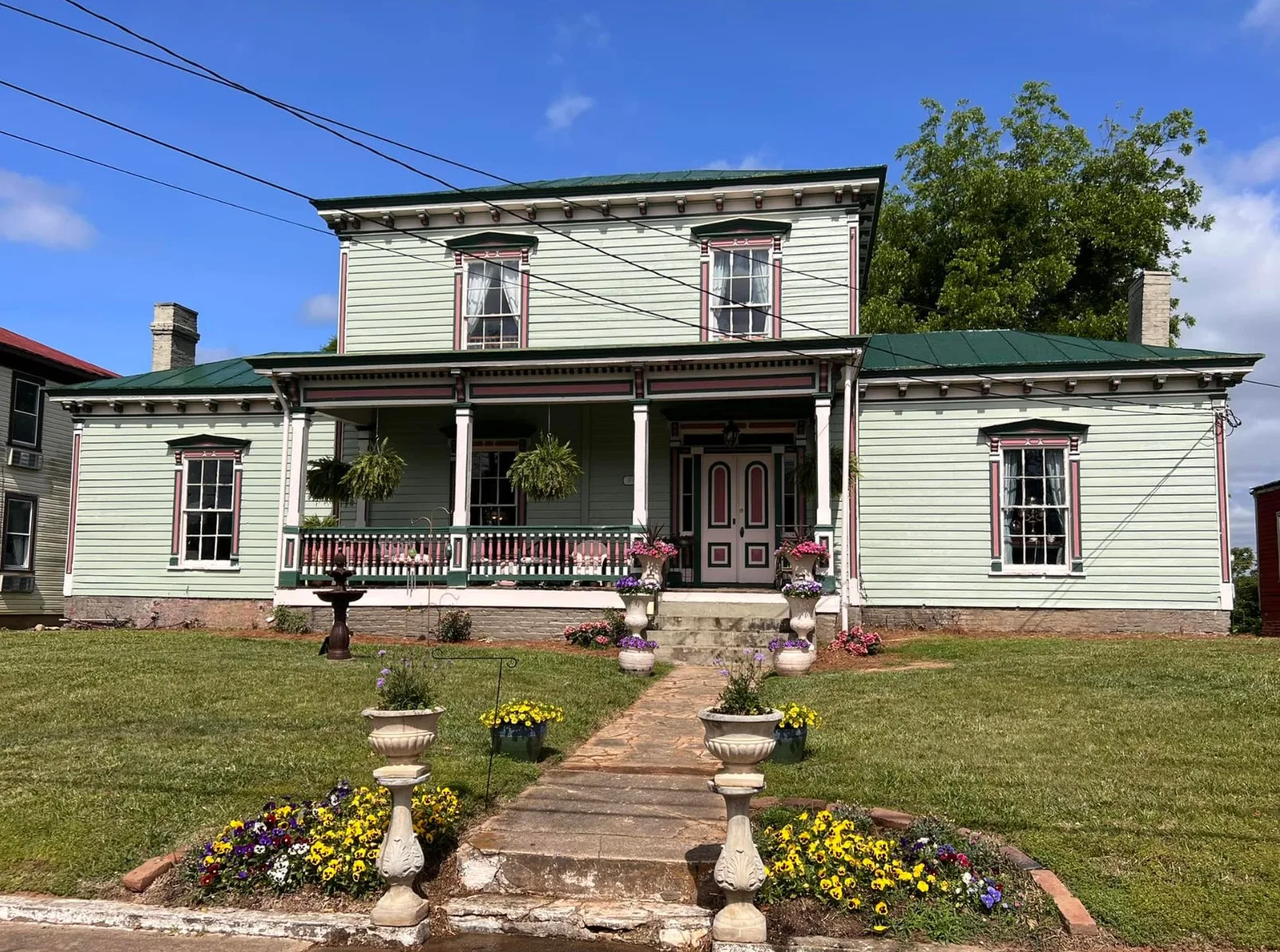
Emerald Grove, Circa 1875 in VA
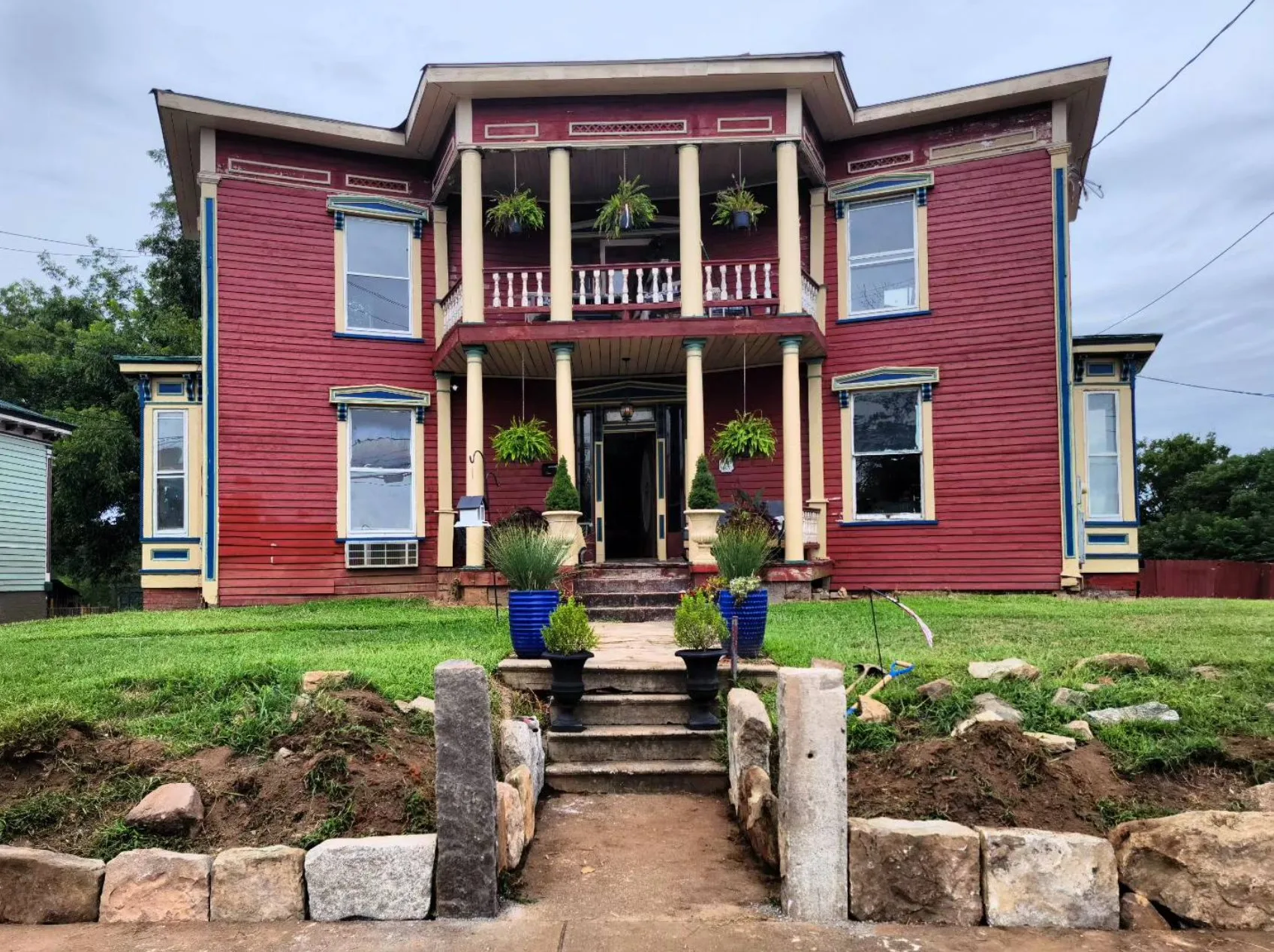
Red Grove Inn, Circa 1877 in VA
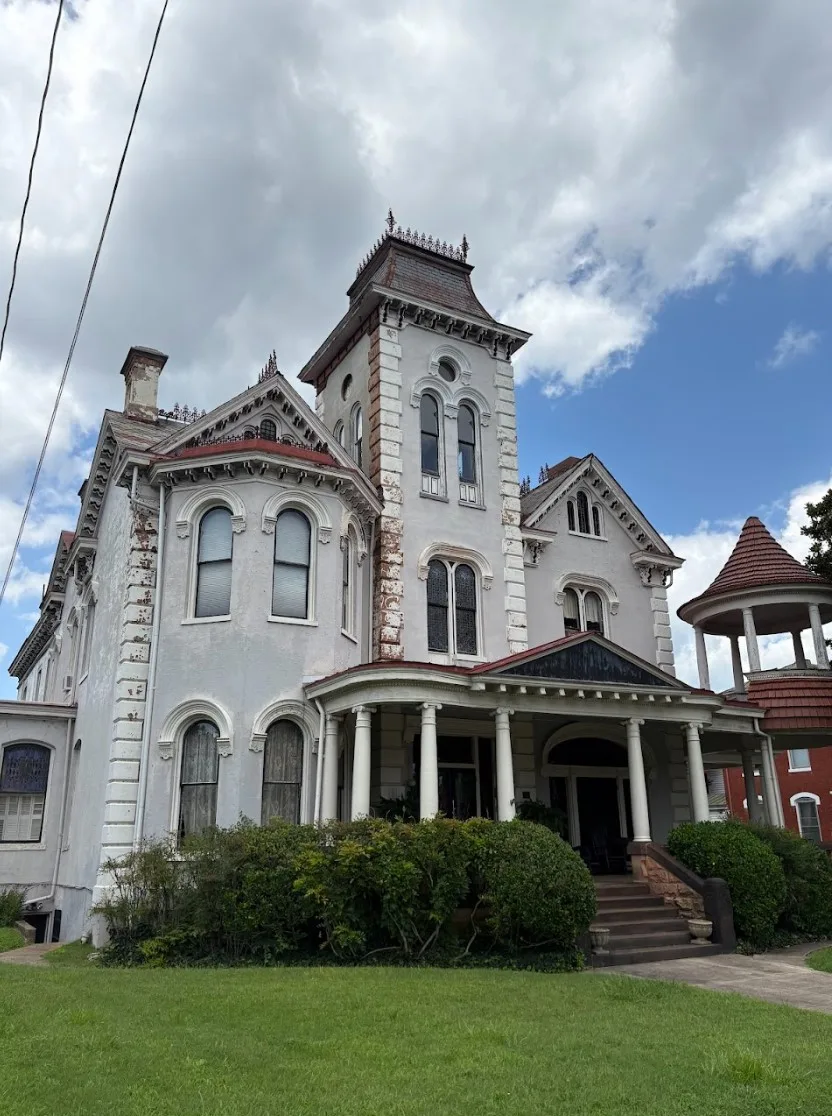
James G. Penn House, Circa 1876 in VA
Second Empire (1852-1890s)
If you spot a house with a distinctive mansard roof (flat on top, steep on the sides), you’re looking at a Second Empire beauty! These homes brought a bit of Parisian flair to the United States and often feel extra grand and formal.
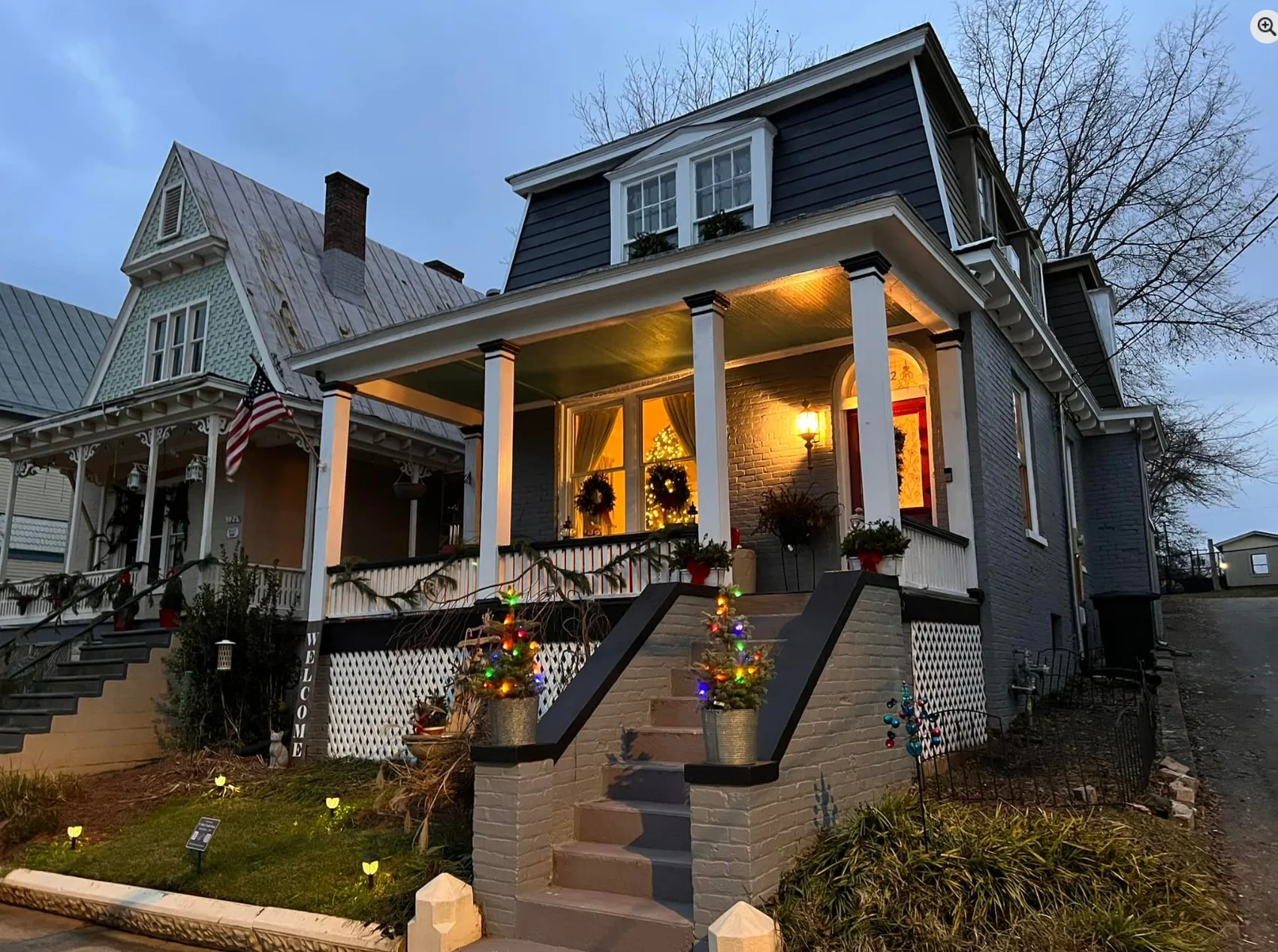
Moonlight Manor, Circa 1890 in VA
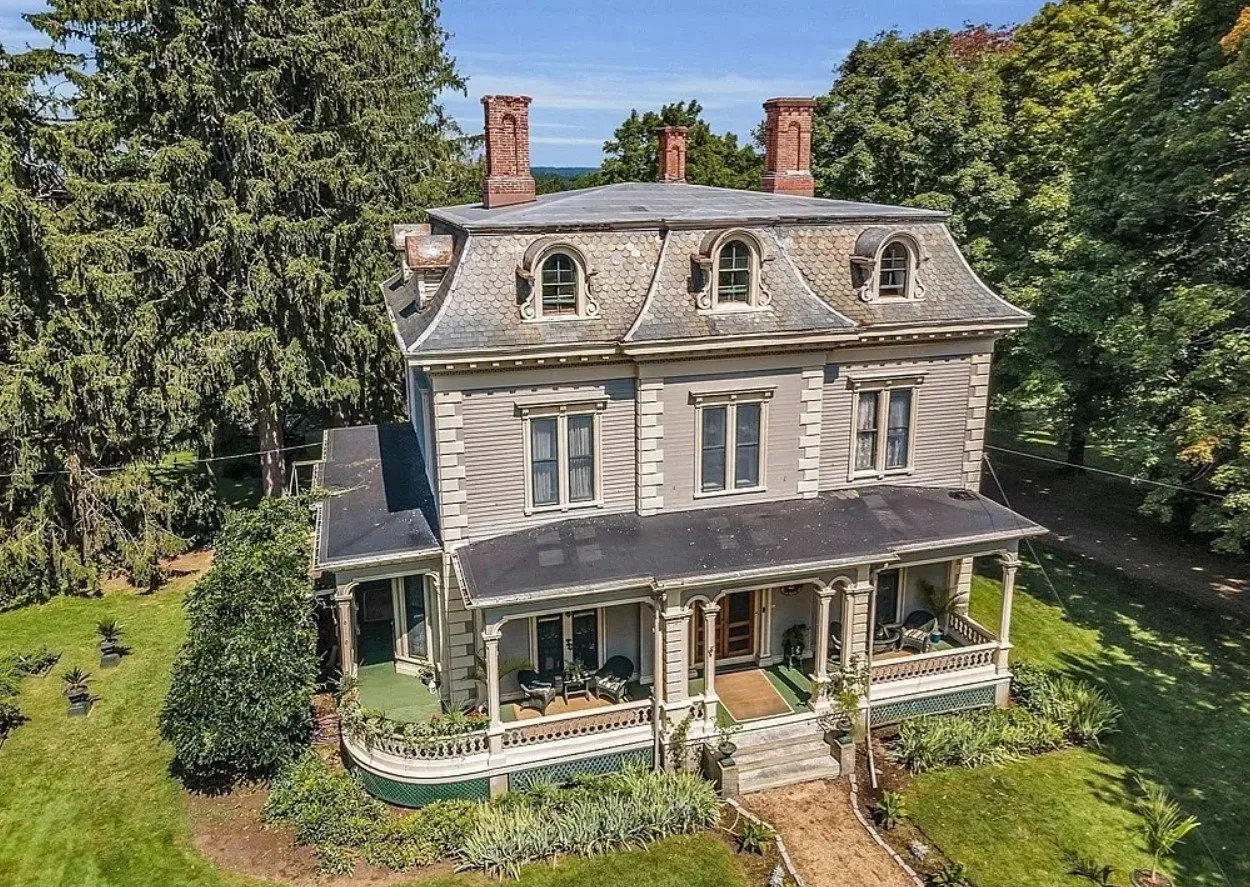
Aaron Kimball House, Circa 1864 in MA
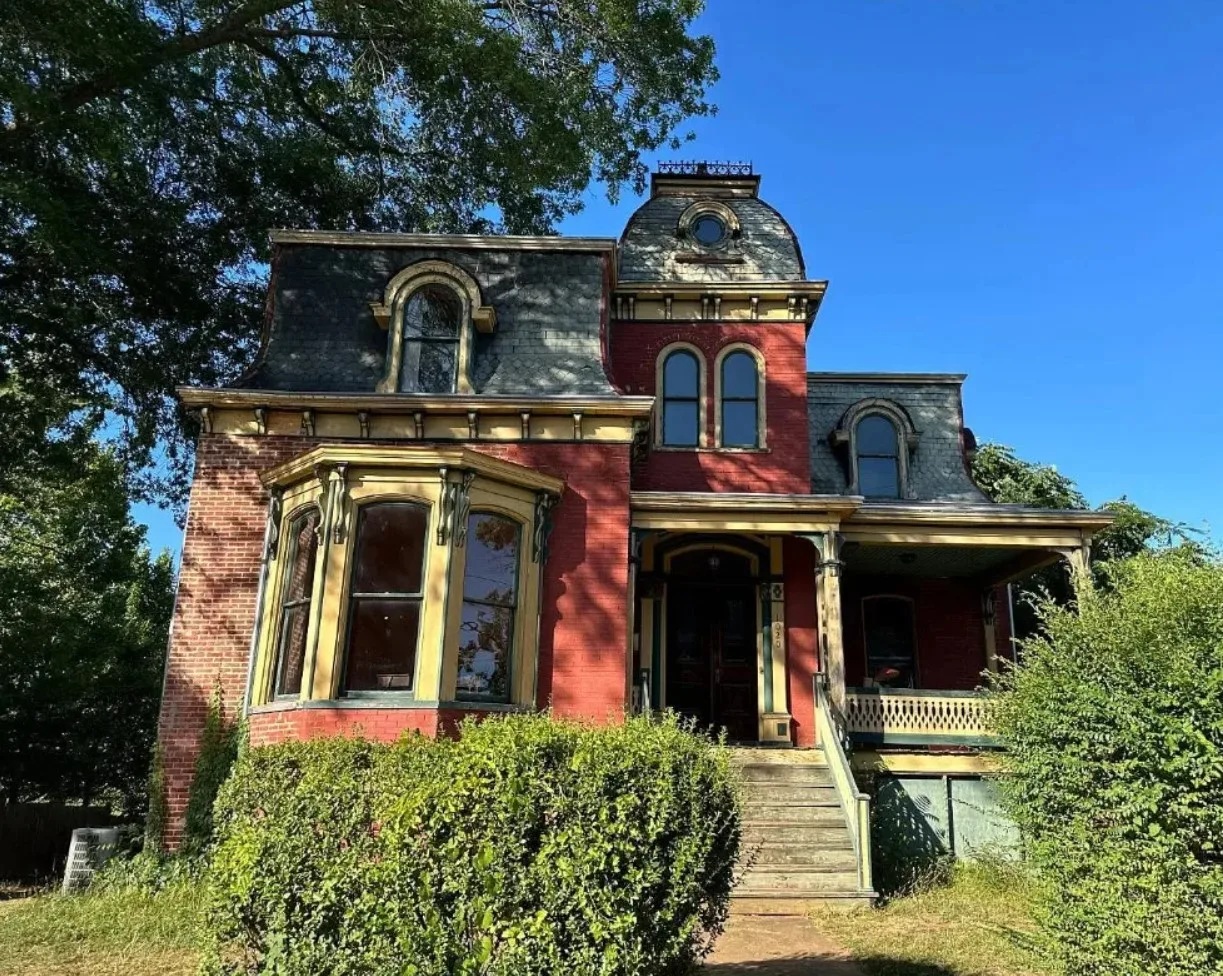
William Carroll House, Circa 1876 in VA
Want to see a tour of Moonlight Manor? Check out this Facebook video tour by clicking here!
The Aaron Kimball House, stunning inside and out, was built in 1864 in Brookfield, MA. With SIX marble fireplaces, walnut woodwork, and plaster moulding, this is an impressive Second Empire home. It sold in 2024, but you can still check out the article here!
The William Carroll House was built in 1876 in Lynchburg, VA. It is a beautiful example of French Second Empire architecture. If you’d like to read more about it, click here for the article!
Shingle Style (1880-1900)
Less noisy, but still full of charm! Shingle Style homes use natural wood shingles to create a soft, weathered look. They’re often sprawling and coastal, blending into the landscape with understated elegance. Keep in mind that Shingle Style borrowed a lot of elements from the Colonial and Queen Anne styles!
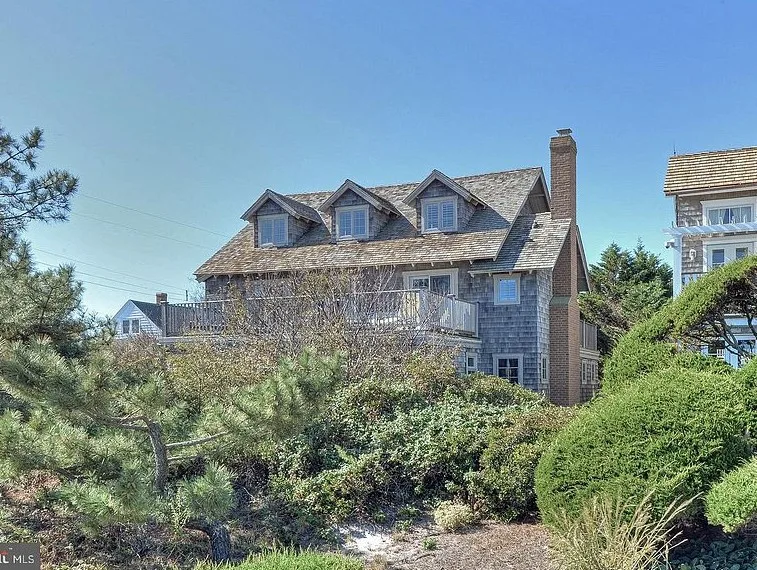
Oceanfront Home, Circa 1890 in DE
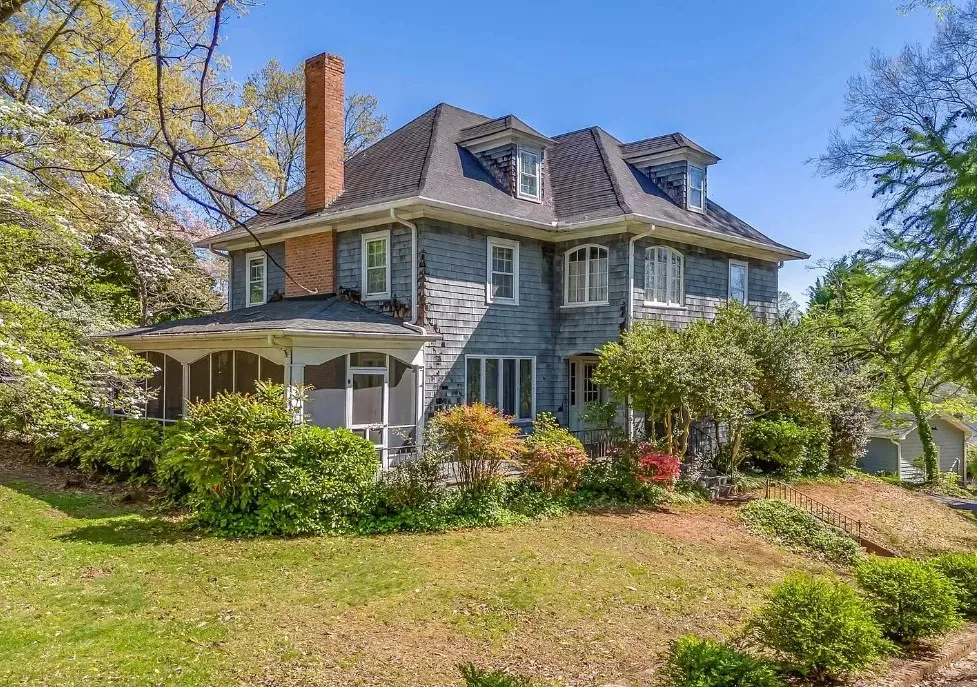
Dr. H. M. Biggs House, Circa 1918 in NC
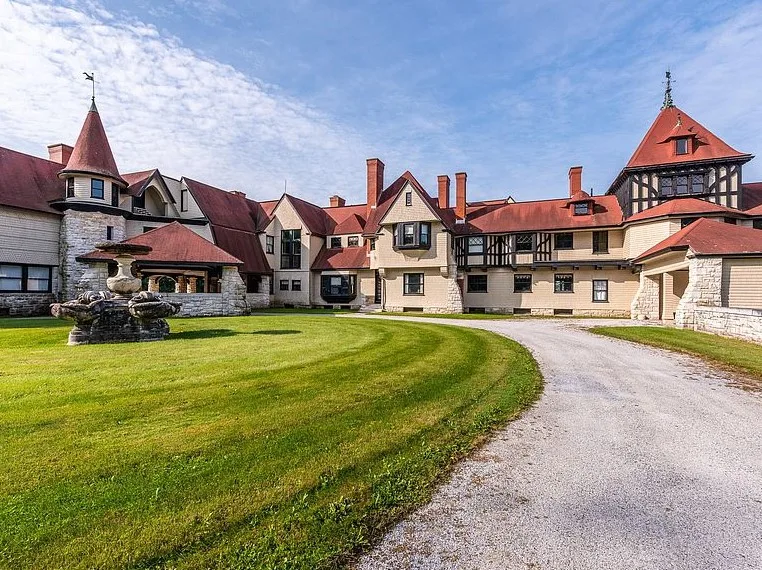
Gilded Age Berkshire Cottage, Circa 1886 in MA
Like previously mentioned, Shingle Style homes are commonly found on the coast! The 1890-built home is located in Rehoboth Beach, DE. It features cedar siding and a view of the Atlantic. Click here to read the article!
The Dr. H. Biggs House, you’ll be able to tell that it has a combination of Queen Anne and Shingle Style elements. It’s located in Rutherfordton, NC and was originally built for the co-founder of the Rutherford Hospital. It features parquet flooring, Palladian-style windows, tall ceilings, and crown moulding. Click here to read the article and to see the interior!
Built for William Douglas Sloane and Emily Vanderbilt in 1886, the Gilded Age Berkshire Cottage is the largest Shingle Style home in America! The home has some historical significance, so if you’re a history buff or want to see just how impressive this home is, click here for the article!
Stick Style (1860-1890)
Stick Style is all about showing off the home’s “bones”, with visible wood trim that mimics the frame underneath. You can find decorative stickwork, steep-pitched gable roofs, etc. It’s a transition between Gothic Reival and Queen Anne!
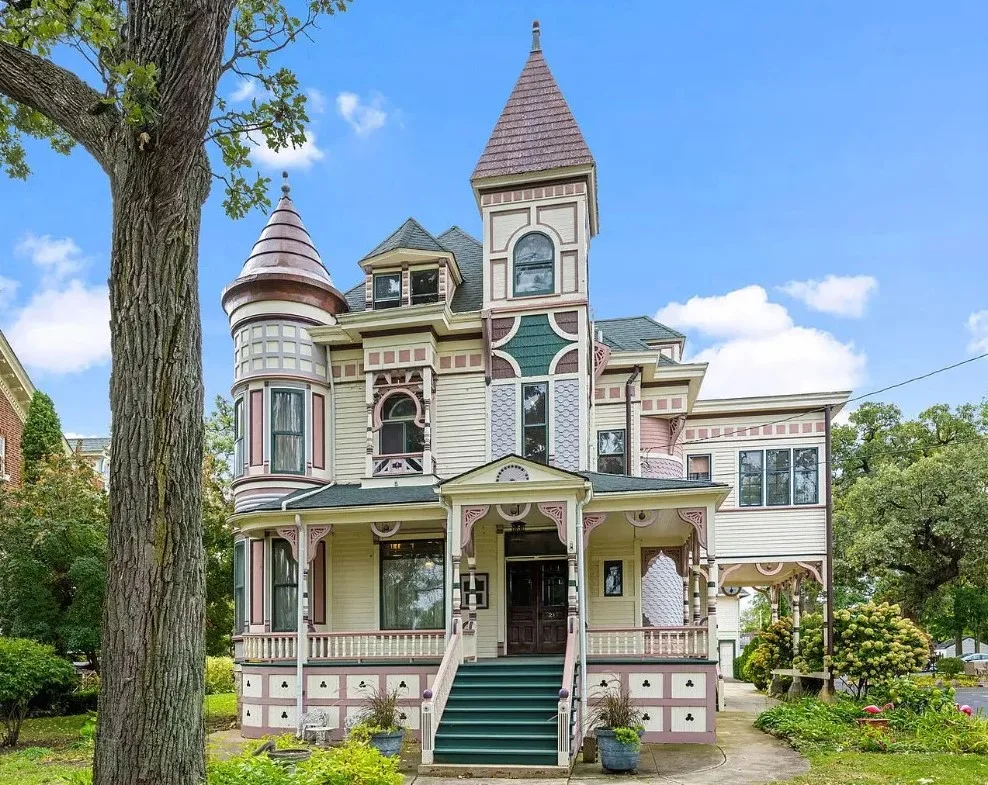
Pelton Mansion, Circa 1889 in IL
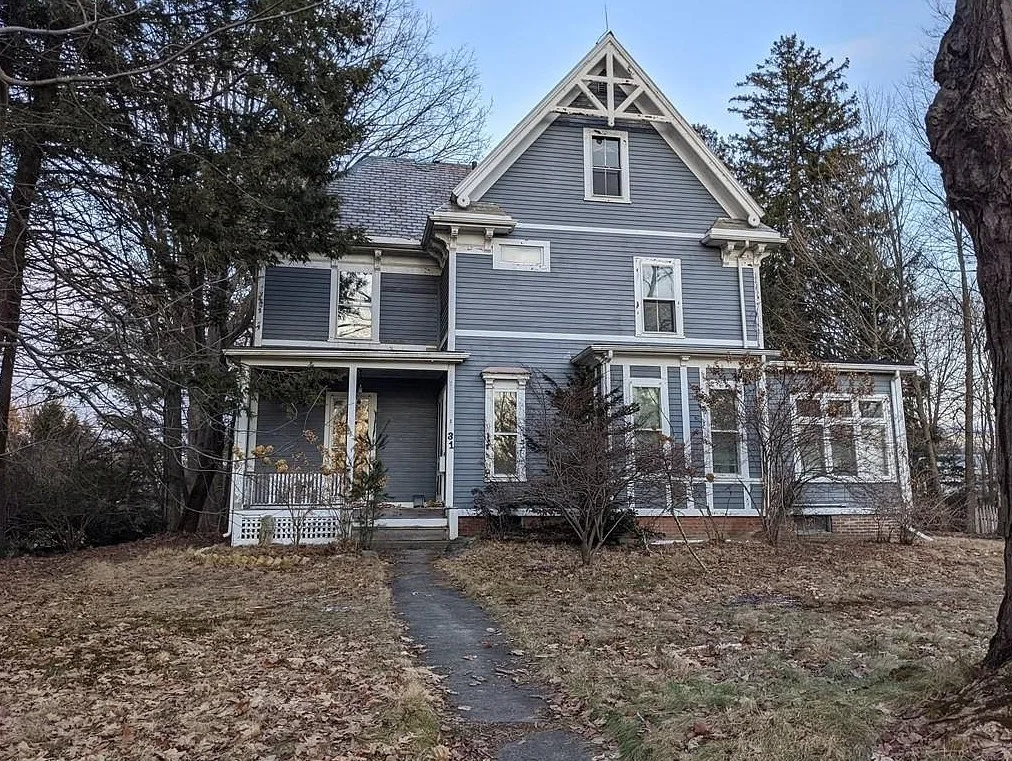
Circa 1876 in MA
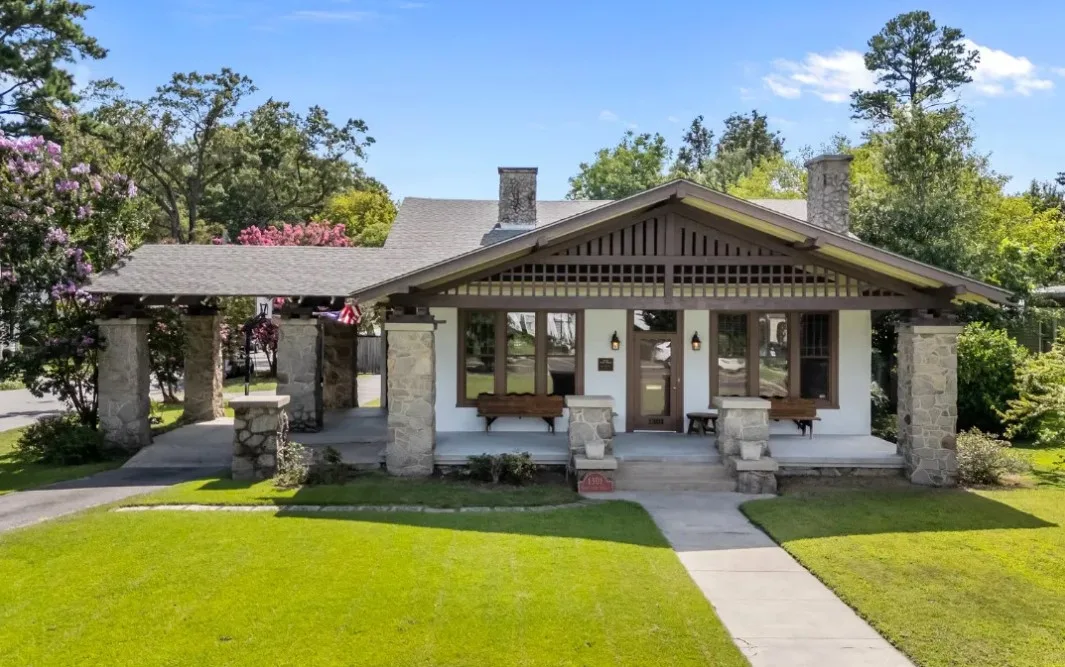
Smith-Bishop House, Circa 1918 in NC
The Pelton Mansion was built in Elgin, IL for Dr. Ora Levant Pelton Sr. and his wife, Anna. It is a prominent example of Stick Style architecture that features Eastlake detailing! The home was recently sold, but you can still check out the article by clicking here.
The next example is less decorative but still a good example of Stick Style. You can see the decorative stick work in a few places! At the time of the article, the 1876 house was up for sale for $10,000, but it needed to be moved.
The Smith Bishop House, built in 1918, is an example of a Western Stick Style Bungalow located in Wilson, NC. This isn’t what we’d usually expect stick style to be, but it’s a mixture of Stick and Bungalow architecture! The decorative trusswork, vertical battens, and low-pitched, wide gable roof reflect that. Read more about it here.
Folk Victorian (1870-1910)
Folk Victorian homes were often simple farmhouses dressed up with spindlework, brackets, and decorative trim. They brought a touch of Victorian beauty to everyday American life.
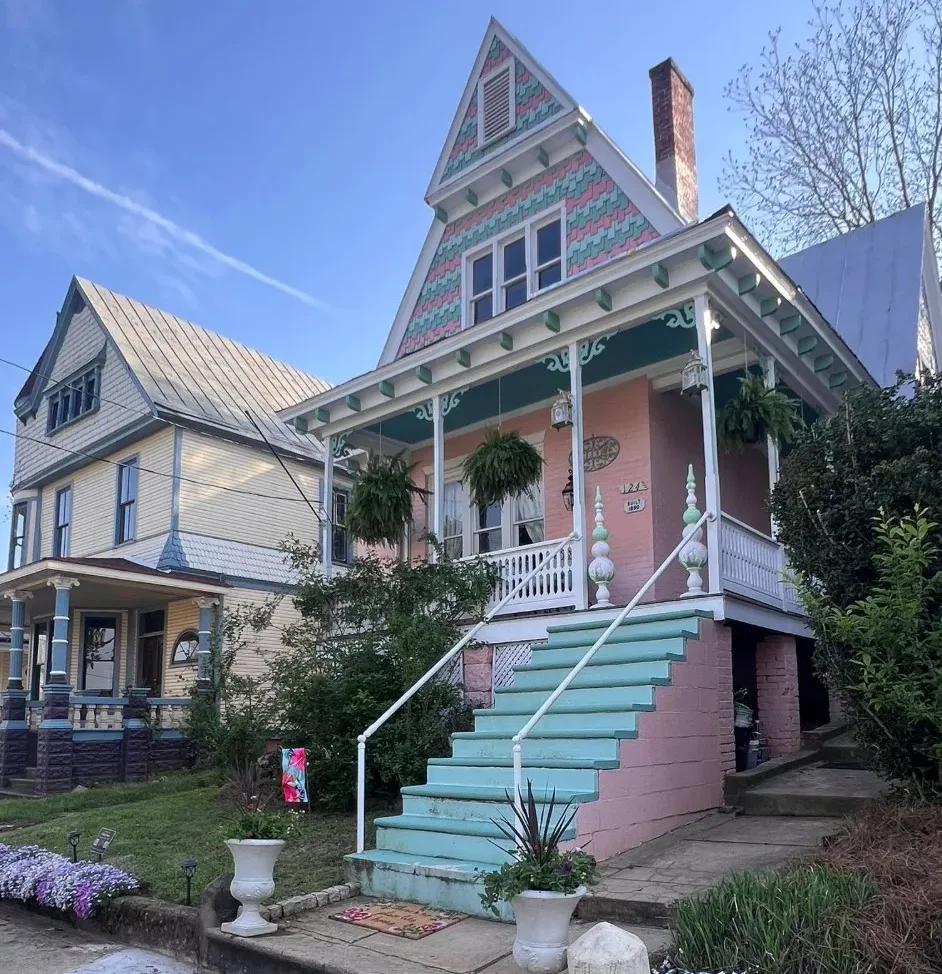
Sunshine Cottage, Circa 1890 in VA
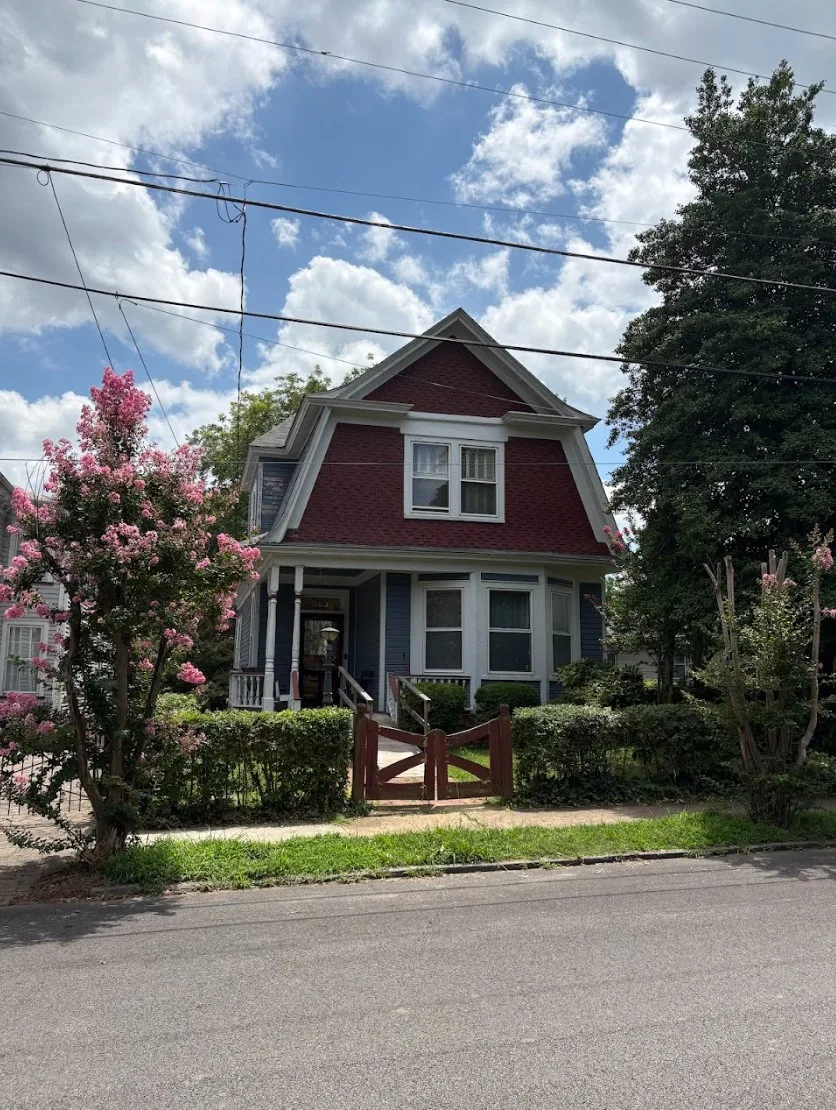
J.O. Warthen House, Circa 1904 in VA
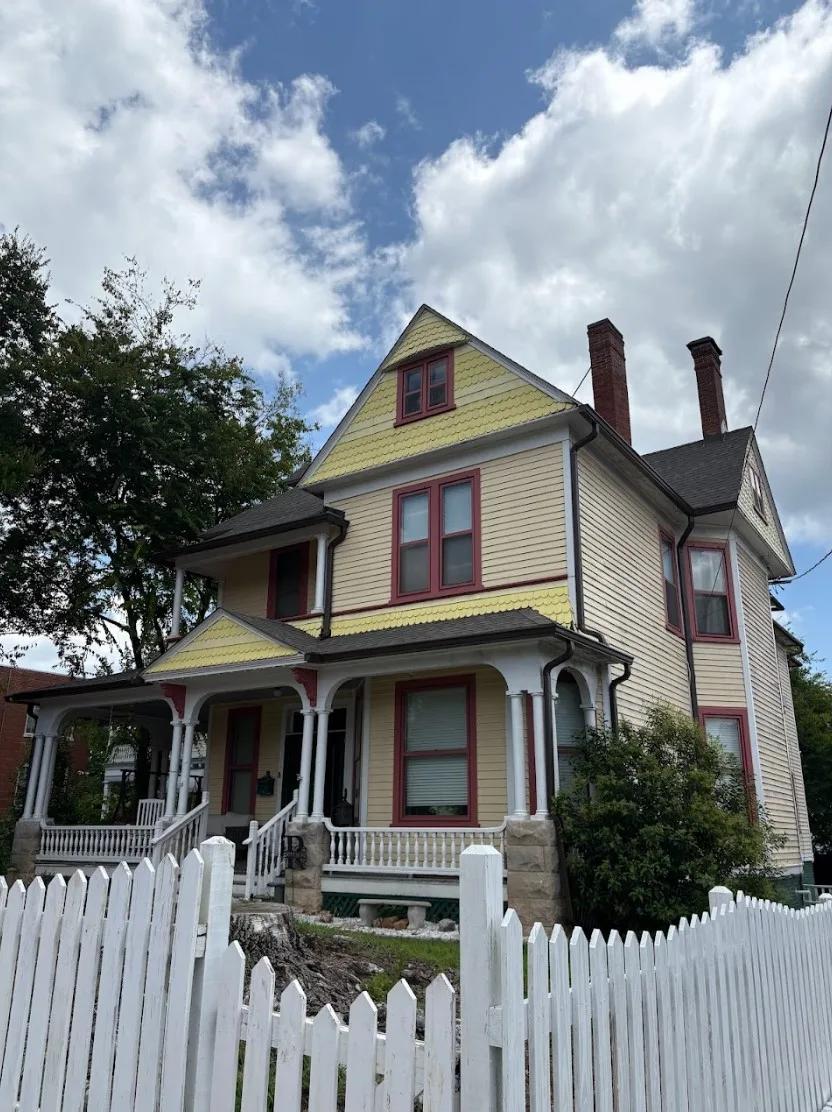
Paxton-Grant House, Circa 1895 in VA
If you’d like to read up on the history of Sunshine Cottage, also known as the Chaney House, click here! We’ve also done multiple video tours on Facebook to show the restoration progress.